
Blue Lagoon Continues to Reveal the Hallmarks of a Fertile Rare Earth System
Geological Mapping Identifies Fertile Intrusive Rocks at Blue Lagoon
Ongoing geological mapping at Dalaroo's Blue Lagoon Rare Earth Project continues to strengthen the Company's understanding of the geological processes responsible for the rare earth mineralisation identified during its inaugural exploration program.
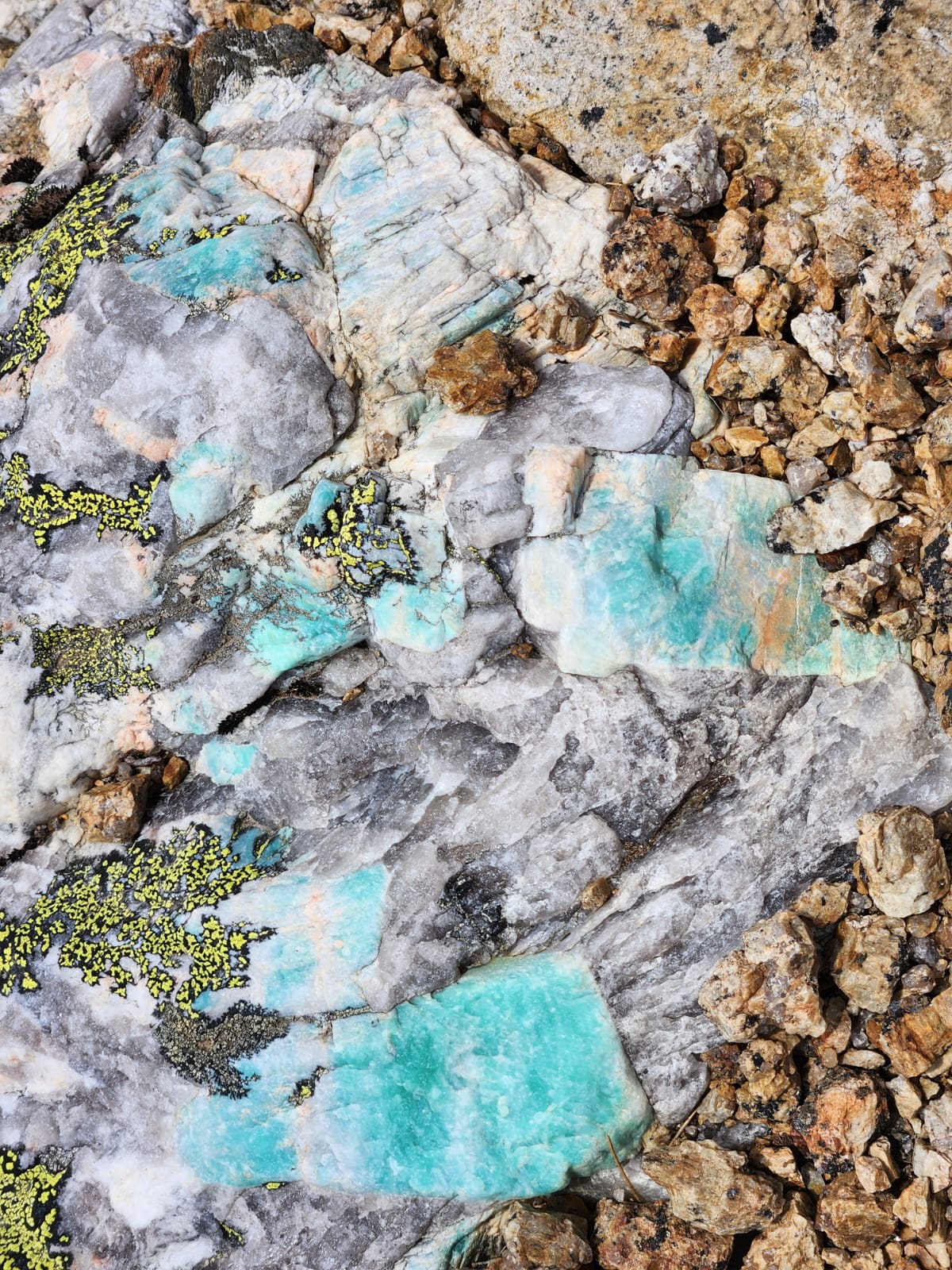
Recent fieldwork has identified beryl-bearing pegmatites, numerous aplite sills and interpreted eudialyte-bearing alkaline granites throughout the project area. These intrusive rock types are widely recognised as important indicators of highly evolved magmatic systems that have the potential to concentrate rare earth elements and other incompatible metals.
The identification of beryl-bearing pegmatites provides further evidence of late-stage magmatic evolution within the Blue Lagoon intrusive complex, while the widespread occurrence of aplite sills suggests multiple intrusive events that may have contributed to rare earth enrichment. In addition, interpreted eudialyte-bearing alkaline granites represent a particularly encouraging development, as eudialyte is recognised globally as one of the principal host minerals for zirconium, hafnium and rare earth elements in alkaline intrusive systems.
Although laboratory mineralogical work is ongoing to confirm these field interpretations, the geological observations significantly improve Dalaroo's understanding of the potential source rocks feeding the rare earth-bearing sediments within the Blue Lagoon basin.
These results form an important part of the Company's evolving source-to-sink exploration model, which seeks to understand the complete geological pathway from fertile intrusive source rocks, through weathering and transport, to the natural concentration of heavy mineral sands within the lagoon. As geological mapping continues alongside sediment sampling, Ground Penetrating Radar surveys and mineralogical studies, Dalaroo is rapidly building a comprehensive geological framework to guide future drilling and project advancement.
Share your feedback
Discover